Welsh slate roof tiles are a part of many buildings in the UK. From centuries old to brand new, this roofing material makes an impressive statement! But, has it always been around? Where did it come from?
Brief History of Welsh Slate
Welsh slate has been quarried for over 500 years, with records indicating its use as far back as Roman times. However, large-scale commercial slate production began in the 18th and 19th centuries, driven by industrial demand and the expansion of the railway network, which facilitated distribution across the UK and beyond. At its peak, Wales was the world’s leading slate producer, with quarries such as Penrhyn, Dinorwic, and Cwt-y-Bugail supplying high-quality roofing materials to the construction industry.
Today, Welsh slate remains a premium roofing material known for its durability, aesthetic appeal, and historical significance.
How Welsh Slate Roof Tiles Are Made
The production of Welsh slate roof tiles is a meticulous process that combines traditional craftsmanship with modern quarrying techniques. Below is an overview of the key stages involved in manufacturing these high-quality roofing materials.
-
Quarrying the Slate
Welsh slate is extracted from quarries, primarily in North Wales, where some of the finest slate deposits in the world are found. The process begins with:
Drilling and Blasting: Large blocks of slate are freed from the mountainside using controlled blasting or precision cutting.
Block Extraction: The extracted blocks, known as “scants,” are carefully transported to the processing area.
-
Splitting and Dressing the Slate
Once quarried, the slate undergoes several refining steps:
Primary Sawing: Large blocks are cut into manageable slabs using diamond-tipped saws.
Splitting by Hand: Skilled craftsmen split the slabs along their natural grain using traditional chisels and mallets. This ensures each tile has a smooth, natural finish.
Trimming and Dressing: The split slates are cut into uniform roofing tile sizes using mechanised or hand-trimming tools.
-
Grading and Sorting
The tiles are graded by thickness and quality, ensuring consistency for roofing applications.
Slates are checked for imperfections, cracks, or weaknesses before being approved for use.
-
Finishing and Hole Drilling
The tiles are further refined to ensure clean edges and even surfaces.
Holes are drilled at precise points to allow for easy installation on roofing battens.
-
Packaging and Distribution
The finished slate tiles are stacked, packaged, and shipped to roofing suppliers, contractors, and restoration projects across the UK and beyond.
Traditional Craftsmanship Meets Modern Technology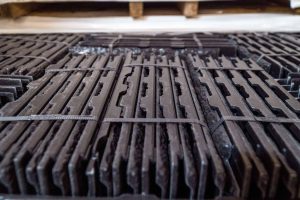

Despite advancements in quarrying and cutting technology, much of the slate production process remains highly labour-intensive. The natural grain of Welsh slate requires careful handling. This ensures that each tile maintains its strength and longevity.
Types of Welsh Slate Roof Tiles and Their Suitability
Welsh slate is primarily sourced from two regions: North Wales and Mid Wales, each producing distinctive types of slate:
- Penrhyn Slate: this slate’s source is Penrhyn Quarry, North Wales. Offering deep purple to heather blue tones, it is best for high-end residential properties, heritage buildings, and commercial structures where aesthetics are key. The slate is hardwearing and resistant to weathering.
- Cwt-y-Bugail Slate: this slate hails from Cwt-y-Bugail Quarry, North Wales. It is dark grey with a slight blue hue in appearance. Further, it has a fine-grain texture and high longevity. As such, it best suits modern and traditional homes, conservation projects, and commercial buildings requiring a classic look.
- Ffestiniog Slate: comes from Blaenau Ffestiniog, North Wales. Thus, a medium to dark grey slate tile, it is great for restoration projects, traditional homes, and agricultural buildings. Hence, it also offers strong weather resistance and provides an elegant finish.
Each of these slates is available in various thicknesses and grades, with some specifically produced to meet the needs of heritage and listed buildings where authenticity is essential.
What are the Advantages of Using Welsh Slate Roof Tiles?
Welsh slate offers numerous benefits for both domestic and commercial buildings. Thus, this makes it one of the most popular roofing materials in the UK:
-
Exceptional Durability
Welsh slate has a lifespan of over 100 years, with many installations lasting centuries. In addition, it is highly resistant to frost, rain, and wind. Furthermore, this means it is suitable for the UK climate.
-
Low Maintenance
Unlike synthetic alternatives, Welsh slate requires minimal maintenance over its lifespan. Moreover, it does not warp, fade, or degrade under UV exposure.
-
Sustainability and Eco-Friendliness
As a natural material, Welsh slate has a low environmental impact in comparison to other roofing materials. In addition, it is fully recyclable and is ideal for other construction uses.
-
Aesthetic Appeal
The rich textures and colours of Welsh slate enhance the visual appeal of buildings. Thus, it is frequently used in heritage and conservation projects due to its historic significance.
-
Fire and Weather Resistance
Welsh slate is fire-resistant, providing extra safety for buildings. Moreover, it performs exceptionally well in extreme weather conditions, including heavy rain, wind, and snow.
-
Adds Property Value
A slate roof can increase property value with its classic appearance. Thus, this is often a selling point for high-end homes and commercial properties.
Why Choose Welsh Slate Roof Tiles?
Welsh slate roof tiles remain a premium choice for roofing, combining durability, sustainability, and timeless beauty. Thus, whether for domestic homes, commercial buildings, or heritage restoration projects, Welsh slate provides a long lifespan, weather resistance, and aesthetic appeal.
Where Can I Get Welsh Slate Roof Tiles?
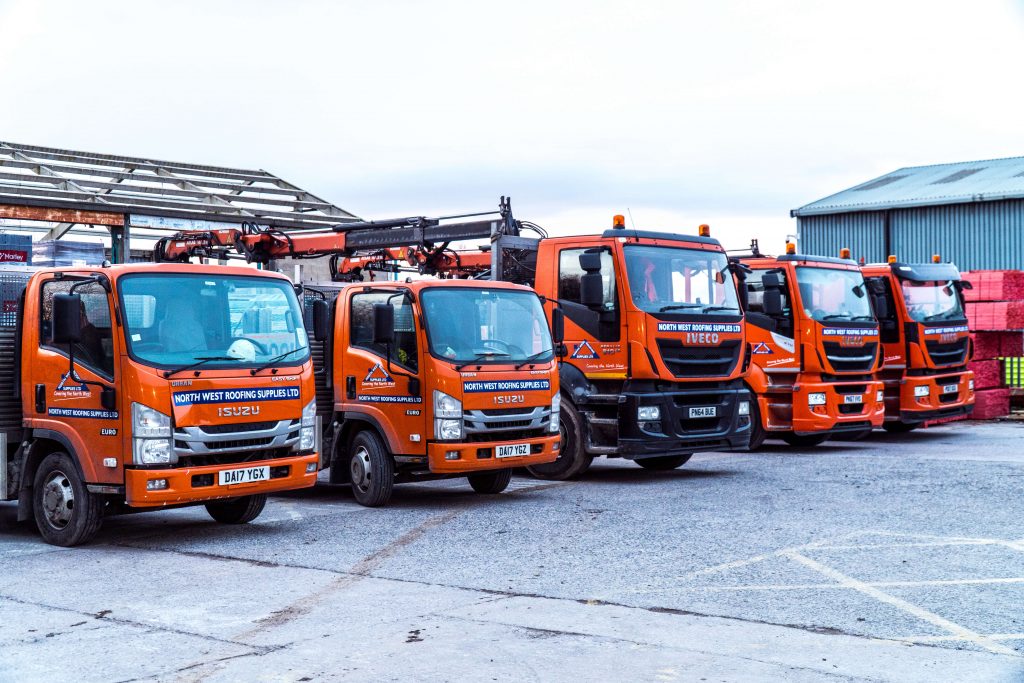
If you are searching for these gorgeous slate roof tiles, we are happy to assist. Simply contact North East Roofing Supplies and find out more about our exquisite range. Furthermore, you will also find that our prices are highly competitive. Thus, this means that you can get a stunning statement for your building, and at a terrific price!
Our knowledgeable team is on hand to assist you with any of your queries.