If you’re planning a makeover for your home, you may be wondering what type of exterior cladding is best.
Enhancing the aesthetic appeal and durability of your property is a crucial consideration for homeowners and builders alike. One effective way to achieve this is by investing in quality exterior cladding. With a myriad of options available, selecting the right cladding for your building can be a daunting task.
Cladding is the placement of a material over another on the exterior of your building. It provides an extra ‘skin’ or layer. This, in turn, assists with thermal insulation and weather resistance. However, the most common reason for applying cladding to a building is its aesthetic value.
Adding cladding to a building can improve its appearance, providing a smart, streamlined look.
Different types of cladding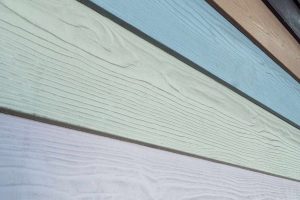

Cladding is typically made from materials such as wood, metal, vinyl, and composite material.
The popular cladding material options include fibre cement cladding, PVC cladding, wood cladding, and hanging tile cladding.
Each specific type of cladding offers numerous benefits. As with every type of roofing or building material, each type of cladding does have a few negative points. These are typically offset by the advantages of the type of cladding.
Popular cladding choices
Timber Cladding:
This type of cladding generally involves boards or planks of timber that overlap each other. The overlapping boards act as a shield. It is a durable choice and is designed so that it has a cavity between it and the main wall. The reason for this is to assist any penetrating moisture to evaporate or drain away.
It also offers numerous advantages:
- Natural Aesthetics: Timber cladding provides a warm, natural look that can enhance the overall appearance of a building.
- Insulation Properties: Timber is a natural insulator, helping to regulate indoor temperatures and reduce energy costs.
- Sustainability: Responsibly sourced timber options are available, making it an environmentally friendly choice.
It is, however, a more costly option in terms of its purchase prices and and maintenance costs.
Fibre Cement Cladding:
Fibre cement is a composite material that consists of sand, cement and cellulose fibres. This type of cladding most usually is made up of overlapping horizontal boards. This imitates wooden cladding.
The advantages of fibre cement cladding include:
- Durability: Fibre cement is resistant to rot, insects, and fire, making it a durable and long-lasting option.
- Low Maintenance: Requires minimal maintenance and is resistant to fading and weathering.
- Versatility: Available in a variety of styles and finishes, allowing for versatile design options.
It can be a challenging project to install fibre cement cladding, most often requiring the expertise of a professional. The production of this type of cladding involves energy-intensive processes, impacting its environmental footprint.
Vinyl Cladding:
This particular cladding is a plastic exterior siding for houses and smaller buildings. It is also often used for decoration and weatherproofing. Vinyl cladding often mimics the look of wood clapboard, batten board and batten or shakes. It is often used instead of other, more costly materials such as aluminium or fibre cement cladding.
Vinyl cladding offers the following benefits:
- Affordability: Vinyl is a cost-effective cladding option, making it a budget friendly choice for homeowners.
- Low Maintenance: Requires minimal maintenance. In addition, it is resistant to rot, insects, and weathering.
- Easy Installation: Lightweight and easy to install, it minimizes labour costs.
As with other types of cladding materials, there are a few negative points to consider. These include limited aesthetics and an impact on the environment when manufacturing and disposing of the cladding.
Metal Cladding:
If you are under the impression that exterior cladding ought to be from timber, think again. Metal cladding is typically constructed from metal that has layers. It performs the same function as well as other cladding materials.
Metal cladding also offers attractive benefits. These include:
- Modern Aesthetics: Offers a sleek, modern appearance suitable for contemporary designs.
- Durability: Resistant to rot, insects, and fire, providing a durable solution.
- Low Maintenance: Requires minimal upkeep and can withstand harsh weather conditions.
Metal cladding is, unfortunately, a costly option, despite its good looks. The different type of metal, such as zinc is an expensive material. It also has a complex installation process, requiring the assistance of a professional.
Choose the right exterior cladding for your building

With the large range of different cladding options available, it can be a challenging decision to make. However, if you consider the cost, along with the cladding type’s benefits, you’ll find that timber cladding is one of the most popular cladding choices.
In addition, fibre cement cladding is an excellent choice in terms of quality, affordability, and durability. On top of that, it is an attractive option, adding an excellent aesthetic to any building. Fibre cement exterior cladding has risen in popularity among building owners and builders alike for its many attractive benefits.
We are happy to offer a high quality cladding option from a highly regarded company – Cedral. Furthermore, we are available to assist you with any queries you may have about the best cladding for your building. For more details, or professional assistance, contact our friendly team at North East Roofing Supplies right away.
We have offered our excellent quality roofing materials – including cladding – to all our customers for many years and continue to do so with pride. We are known as the leading roofing supplies company in the North East. You are more than welcome to pay us a visit at any of our depots and find the perfect cladding for your building.